
Suriname = Very odd and very interesting
AUG 2026, Paramaribo>
South America is unusual and oddly surprising, and Suriname leads in every category of peculiar!
The language spoken by the most people is Portuguese, not Spanish; the northernmost point in Brazil is closer to Canada than it is to Brazil’s southernmost point. And, on the northeast coast, sandwiched between Venezuela and Brazil lie three countries that are in no way “Latin”, the Three Guyanas
Two of the Guyanas, formerly British, Dutch Guyana are now independent countries, Guyana and Suriname. The third, French Guyana, remains an integral part of France, and Overseas Territory, and reports only to Paris.
They are, needless to say, quite fascinating places to visit, and I have been fortunate to have been there several times, both as a tourist and for work. In fact, the first trip I made to the region was way back in 2013
This time was (almost) purely for pleasure, but also to lay the groundwork for a small group tour that I will offer in March 2027.
Suriname is odd. It’s population of about 600,000 is multicultural to the extreme. Surinamese are of Indonesian, African, Indian and Chinese brought by the plantation owners as indentured labour. Added to this mix are the European settlers, mostly Dutch, and now Cubans, Venezuelans, Caribbean Islanders and “New Chinese”, all blended in a curious and generally workable melting pot.
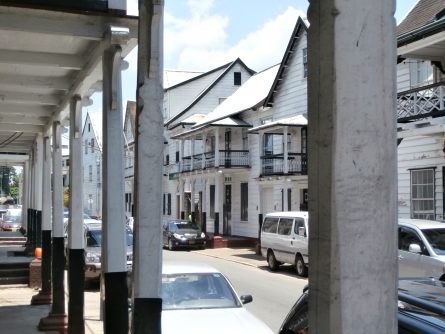
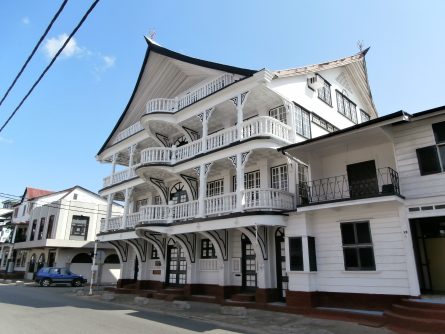
Its capital, Paramaribo, is mostly a forgettable, ramshackle and traffic-infested place. The old part of town does have some remarkable colonial architecture which could really do with a coat of paint but nonetheless is worth some time to explore.
The real attractions lie along the rivers. And what rivers they are.
The Upper Suriname River.
Almost unknown out of the region, the Maroni, the Suriname and the Courantyne are massive. They, along with other watersheds of the Amazon basin, are the engine rooms of the world’s climate with heavy clouds forming over the sea, heading inland to fall as dense tropical rains that are washed out to the sea in these massive rivers only to be caught again in this everlasting cycle.
The rivers are a mile or two wide in places, and they store the countries’ histories and cultures. For visitors, they are almost magical time capsules.
About 150 kms south of Paramaribo at Atjoni, the road stops and the Upper Suriname River begins. Along its path lie twenty-three communities of Maroon people, descendants of escaping slaves in the early 1800s, who ran far enough to be left in peace, and mostly self governing.
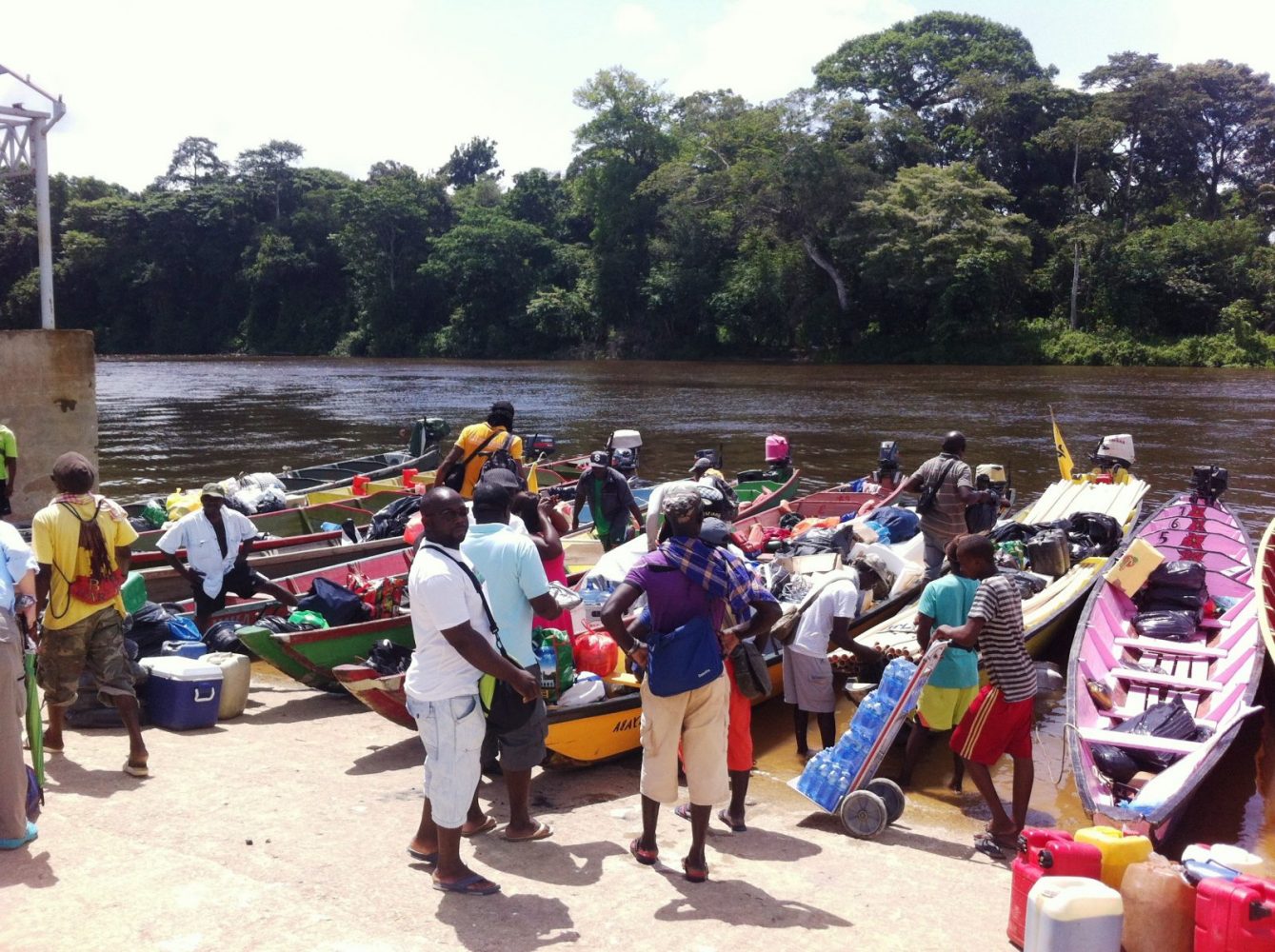
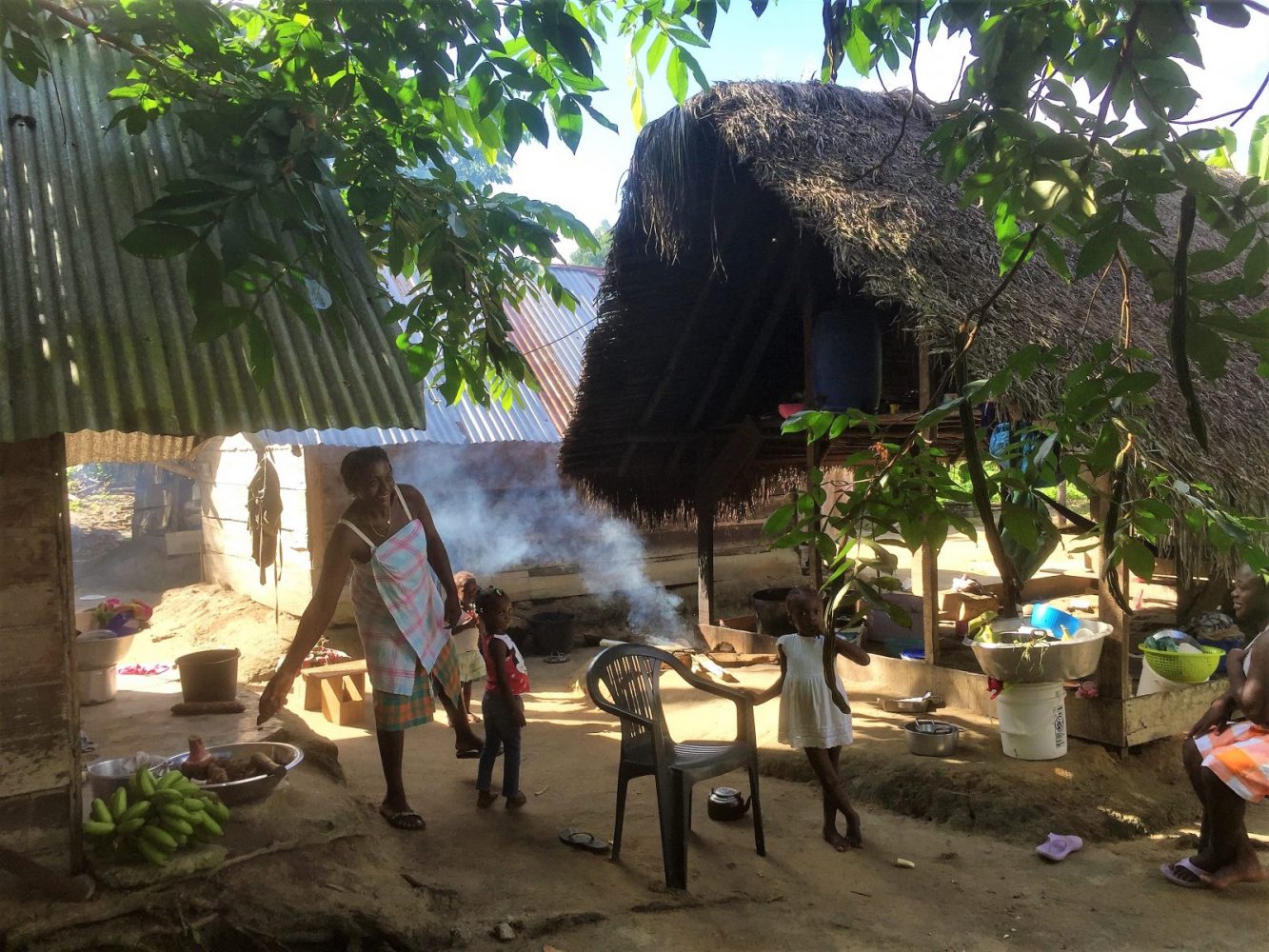
Their lives have for 250 years remained defiantly ageless. Mostly cashless and governed according to the protocols of West Africa in the 18th century, they have survived intact. Alas, the reach of cell phones, connections and the trappings of the 21st century have increased the need and desire for cash, and it is to tourism that they have turned.
Lodges of various standard have appeared, and today, visitors from around the world travel by open canoe upstream to one of these varied lodges and spend a few days learning about the cultures and beliefs of the Maroons. There is abundant wildlife, extraordinary flora and fauna, fascinating storytellers and the unusual absence of most mechanical sound.
Three or four nights at one of the communities’ lodges is a memorable experience, and an interaction with the past that is beginning to disappear throughout the world. The Upper Suriname River is no theme park.
The waterways of the north, flowing parallel to the ocean, offer glimpses into the old plantations, a few of which have been transformed into delightful lodges. Days are spent meandering along the river, exploring some of the network of canals built for irrigation and transportation, listening to the sounds of the rich birdlife and watching for caiman and capybaras.
Suriname, and its neighbours, are extraordinary countries. They lie off the beaten path, and it is this relative isolation that has allowed its various cultures to grow, meld and evolve into the rather absorbing country that it is. It is a part of South America that is overlooked; awkward to reach, perhaps, but very well worth the effort.
